Looking to brighten your outdoor space without high energy bills? LED solar lighting offers a smart, eco-friendly solution. It combines solar power with efficient LED bulbs for reliable illumination.
In this post, you’ll learn what LED solar lighting is, its key benefits, and common outdoor uses. Discover how to choose the best lights for your garden, patio, or driveway."
Comprehensive Buying Guide for Outdoor LED Solar Lights

When shopping for LED solar lighting to brighten your outdoor spaces, several key factors will help you find the best fit for your needs. Whether you’re looking for the best outdoor solar lights for garden paths or security, understanding these elements will ensure you get a reliable, efficient, and durable lighting solution.
Assessing Your Outdoor Lighting Needs and Space
Start by evaluating the areas you want to illuminate. Are you lighting a garden path, driveway, patio, or a larger yard? This helps determine the type and number of fixtures needed. For example, solar path lights are great for walkways, while solar floodlights offer broad coverage for security.
Consider the size of your space and how much light is necessary. Smaller areas may need fewer, lower-lumen lights, while expansive spaces require brighter, more powerful fixtures.
Understanding Different Types of Outdoor LED Solar Lights
Outdoor solar lights come in various types:
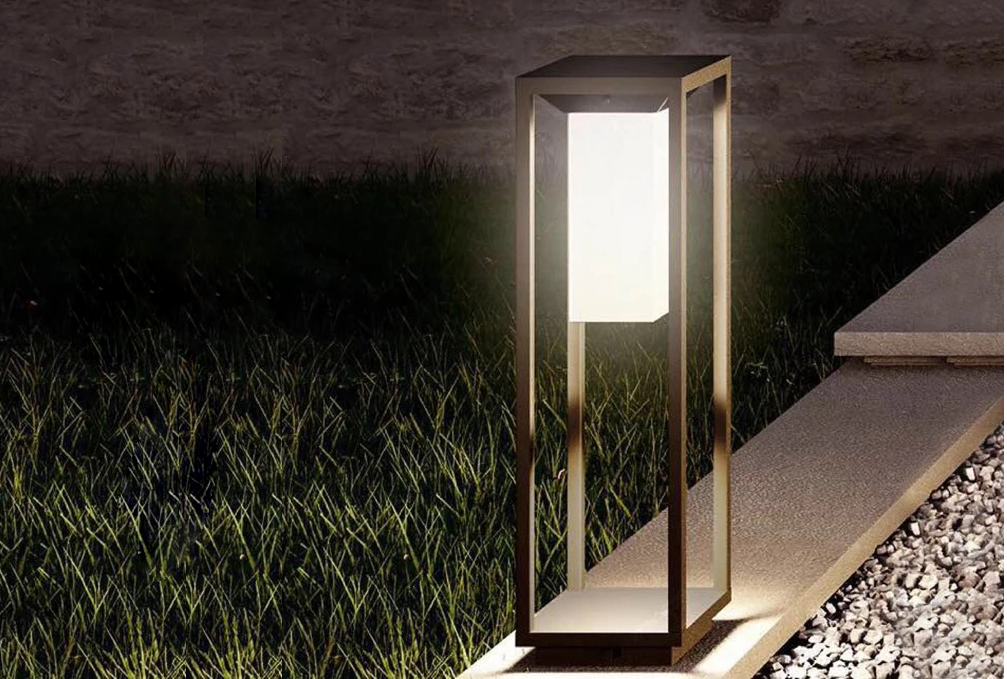
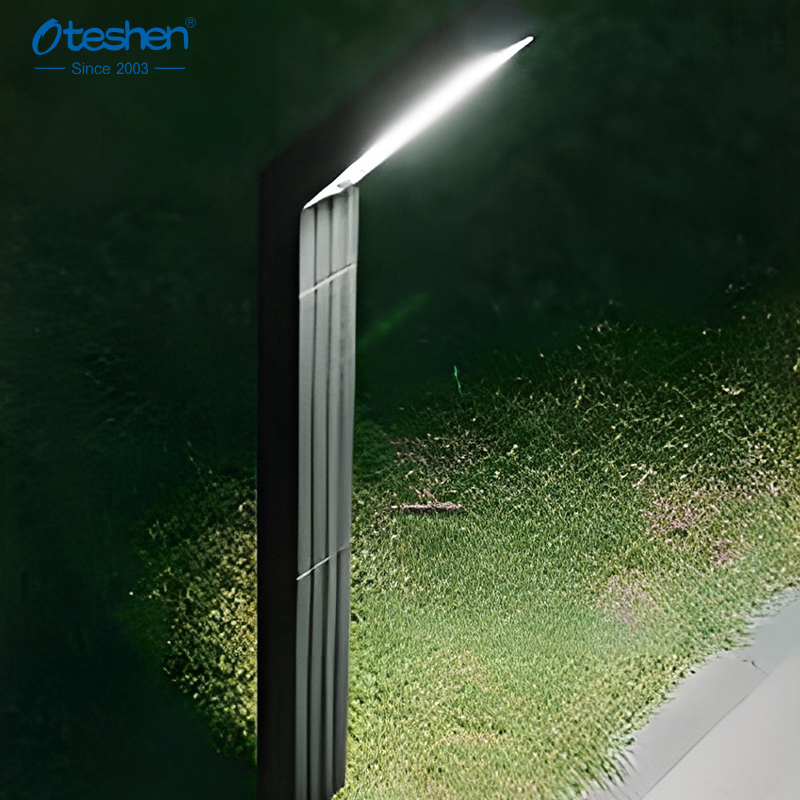
Solar Path Lights: Ideal for walkways and garden edges.
Solar Spotlights and Floodlights: Perfect for security and highlighting features.
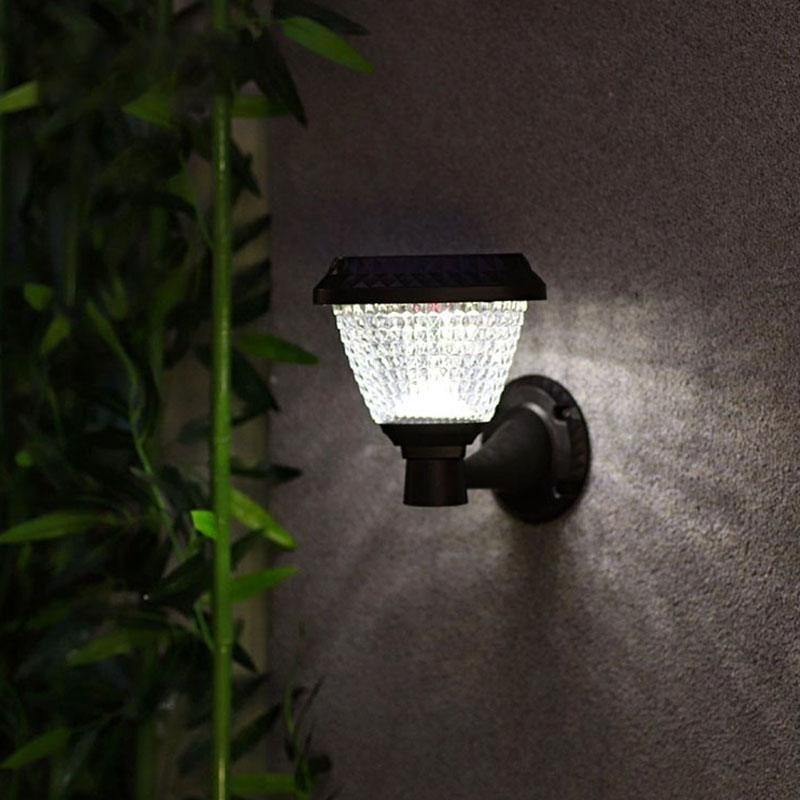
Solar Wall Lights: Mounted on vertical surfaces for perimeter lighting.
Solar Post Lights: For driveways and larger areas.
Solar String Lights and Lanterns: Decorative lighting for ambiance.
Knowing the purpose of each type helps in selecting the right fixtures for your outdoor solar lighting needs.
Brightness and Lumens: Choosing the Right Light Output
Brightness is measured in lumens. For pathway lighting, 100-300 lumens usually suffice, while floodlights may require 700 lumens or more for adequate security lighting. Balance brightness with energy consumption to optimize battery life.
Battery Life and Charging Efficiency Considerations
A longer battery life means your lights stay on throughout the night. Look for models offering 8-10 hours of illumination on a full charge. Efficient solar panels and batteries with good capacity help maintain consistent performance, even on cloudy days.
Weather Resistance and Durability Ratings
Outdoor solar lights must withstand rain, snow, heat, and wind. Check for IP ratings—IP65 or higher ensures protection against dust and water jets. Materials like UV-resistant plastics and corrosion-proof metals add to longevity.
Installation Options and Ease of Setup
One of the biggest advantages of solar lighting is easy installation. Many models come with stakes for ground mounting or brackets for walls and posts. Choose fixtures that match your installation preference and allow for straightforward setup without professional help.
Smart Features and Lighting Modes to Consider
Modern LED solar lights often include smart features such as:
Motion Sensors: Activate lights only when movement is detected, saving energy.
Dusk-to-Dawn Sensors: Automatically turn lights on at sunset and off at sunrise.
Multiple Lighting Modes: Options for steady, dim, or flashing light.
App Control: Some advanced models allow remote control via smartphone apps.
These features enhance convenience, security, and energy efficiency.
Tip: When buying outdoor solar lights, prioritize models with adjustable solar panels and motion sensors to maximize sunlight capture and conserve battery power during non-peak hours.
Types of Outdoor LED Solar Lighting and Their Best Uses

When exploring LED solar lighting options for your outdoor space, it’s essential to understand the different types available and how each serves unique purposes. This knowledge will help you select the best outdoor solar lights tailored to your needs, whether for safety, security, decoration, or ambiance.
Solar Path and Walkway Lights for Safety and Ambiance
Solar path and walkway lights are designed to line your garden paths, driveways, or walkways, providing gentle illumination that guides your steps safely after dark. These lights typically feature stakes for easy ground installation and emit a soft, inviting glow. They are among the best outdoor solar lights for garden buying, offering both functional safety and aesthetic appeal. Many models include motion sensors or dusk-to-dawn features, enhancing energy efficiency by activating only when needed.
Solar Spotlights and Floodlights for Security and Highlighting
For broader coverage and increased security, solar spotlights and floodlights are excellent choices. These fixtures provide bright, focused illumination to deter intruders or highlight architectural features and landscaping elements. Solar flood lights buying guides often recommend models with adjustable heads and motion sensors, which activate the light only when movement is detected, conserving battery life. Their high lumen output makes them ideal for yards and large outdoor areas requiring enhanced visibility.
Solar Wall Lights for Building Perimeters and Decorative Use
Solar wall lights mount on vertical surfaces such as building exteriors, fences, or pillars. They serve dual purposes: enhancing security by lighting entryways and perimeters, and adding decorative flair with stylish designs. These lights are a popular choice in solar lights for garden buying, especially when wired power sources are unavailable. Many come with easy installation kits, including screws and adhesive options, and feature weather-resistant materials to withstand outdoor conditions.
Solar Post and Area Lights for Large Outdoor Spaces
Solar post lights are mounted atop posts or poles, making them perfect for illuminating driveways, patios, or expansive yards. They cast a wide, uniform light that enhances safety and ambiance. Similarly, solar area lights cover large spaces such as parking lots or gardens, providing bright, consistent illumination. Outdoor solar lights buying tips emphasize choosing models with durable housings and high IP ratings to ensure longevity in harsh weather.
Decorative Solar String Lights and Lanterns for Ambiance
For those seeking to create a cozy, inviting atmosphere, decorative solar string lights and lanterns are ideal. String lights drape elegantly over patios, pergolas, or trees, offering soft, warm lighting that enhances outdoor gatherings. Solar lanterns add charm to tablescapes or hanging areas, with many featuring multiple lighting modes such as steady, flickering, or color-changing effects. These options combine solar powered garden lights buying convenience with aesthetic versatility, making them favorites for outdoor entertaining.
Tip: When selecting solar motion sensor light outdoor models, prioritize adjustable detection ranges and multiple lighting modes to tailor security and ambiance to your specific outdoor environment.
Benefits of LED Solar Lighting Over Traditional Outdoor Lighting

When considering outdoor lighting options, LED solar lighting stands out for several compelling reasons. It combines the efficiency of LED technology with the sustainability of solar power, offering advantages that traditional outdoor lighting can’t match.
Energy Efficiency and Cost Savings
LED solar lights use significantly less energy than conventional bulbs. Since they harness sunlight, they operate independently of the electrical grid, resulting in zero electricity costs. Over time, this translates into substantial savings on energy bills. Additionally, LEDs consume less power while delivering bright illumination, maximizing battery life and reducing the need for frequent replacements.
Eco-Friendly and Sustainable Lighting Solutions
LED solar lighting is an environmentally responsible choice. It relies on renewable solar energy, reducing reliance on fossil fuels and lowering carbon emissions. Unlike traditional lighting, it doesn’t contribute to greenhouse gases or environmental pollution. Using solar-powered garden lights aligns with sustainable living goals and helps reduce your property's carbon footprint.
Low Maintenance and Long Lifespan
LED solar lights require minimal upkeep. Without wiring or external power sources, installation is straightforward and hassle-free. The LED bulbs themselves boast a long lifespan, often lasting tens of thousands of hours. Combined with durable, weather-resistant materials, these lights offer years of reliable performance with little intervention needed. Battery replacements may be necessary every few years but are generally simple to perform.
Wireless Installation and Placement Flexibility
One of the biggest benefits is the freedom to place LED solar lights anywhere sunlight reaches. No need for electrical outlets or complicated wiring means you can easily install lights in remote or hard-to-access outdoor areas. This wireless setup allows for creative lighting designs, from garden pathways to security lighting, without the constraints of traditional power sources.
Tip: Choose LED solar lights with high IP ratings and quality rechargeable batteries to ensure energy-efficient, durable, and low-maintenance outdoor illumination that saves costs and supports sustainability.
How LED Solar Lighting Works: Key Components and Technology
Understanding how LED solar lighting works can help you make informed decisions when choosing the best outdoor solar lights for your space. These systems cleverly combine solar panels, batteries, LED bulbs, and sensors to provide efficient, eco-friendly illumination without wiring or electricity costs.
Solar Panels and Photovoltaic Conversion
At the heart of every LED solar lighting system is the solar panel. These panels use photovoltaic cells to convert sunlight into electrical energy. During daylight hours, the solar panel absorbs sunlight and generates electricity, which is then stored in rechargeable batteries. The efficiency of this conversion depends on the quality of the solar panel, with monocrystalline silicon panels offering higher conversion rates and better performance even on cloudy days.
Rechargeable Batteries and Energy Storage
The electricity generated by the solar panel is stored in rechargeable batteries, typically lithium-ion or nickel-metal hydride types. These batteries power the LED lights after sunset. Battery capacity and quality directly affect how long the lights stay on each night. High-capacity batteries can provide 8 to 10 hours of illumination on a full charge, ensuring your outdoor solar lights remain bright throughout the evening. Proper battery management and timely replacement extend the lifespan and maintain the performance of your solar lighting system.
LED Light Sources and Their Efficiency
LEDs (Light Emitting Diodes) are the light sources used in solar lighting due to their high energy efficiency and long lifespan. Compared to traditional incandescent bulbs, LEDs consume up to 90% less power while delivering bright, clear light. They also last tens of thousands of hours, reducing maintenance and replacement costs. The combination of LEDs with solar power creates a sustainable lighting solution that is both cost-effective and environmentally friendly.
Sensors and Automation Features
Many outdoor LED solar lights come equipped with sensors that enhance functionality and energy savings:
Dusk-to-Dawn Sensors: Automatically turn the lights on at sunset and off at sunrise, providing hassle-free operation.
Motion Sensors: Activate the light only when movement is detected, conserving battery power and increasing security.
Light Sensors: Adjust brightness based on ambient light conditions for optimal performance.
These smart features make solar powered outdoor lights convenient and efficient, adapting to your outdoor environment’s needs.
Tip: When selecting solar lights for yard buying, prioritize units with high-efficiency solar panels, quality rechargeable batteries, and integrated motion or dusk-to-dawn sensors to maximize illumination time and energy savings.
Factors to Consider When Choosing LED Solar Lights
Selecting the right LED solar lighting for your outdoor space involves several important factors. Making informed choices ensures you get the best outdoor solar lights that meet your needs, budget, and style while delivering reliable performance.
Amount of Sunlight and Location Suitability
The effectiveness of LED solar lighting depends heavily on the amount of sunlight the solar panels receive daily. Ideally, choose locations that get at least 6 to 8 hours of direct sunlight for optimal charging. Shaded areas or spots with obstructed sunlight can reduce battery charging efficiency, leading to dimmer lights or shorter operation times. If your outdoor space has limited sunlight, consider solar lights with larger or adjustable solar panels, or models designed to perform well in partial shade.
Size and Design Preferences
LED solar lights come in various sizes and styles, from small pathway stakes to large post lights or decorative lanterns. Consider the scale of your outdoor area and the aesthetic you want to achieve. For example, sleek, low-profile solar path lights suit narrow garden paths, while larger post lights provide ambient lighting for patios or driveways. Matching the design to your outdoor décor enhances both functionality and visual appeal.
Budget and Value for Money
Outdoor solar lights vary widely in price, influenced by factors like brightness, battery capacity, build quality, and smart features. While it’s tempting to opt for the cheapest options, investing in higher-quality solar lights often pays off with longer lifespan, better weather resistance, and superior illumination. Balance your budget with desired features to find solar powered garden lights buying options that offer the best value.
Warranty and Brand Reputation
Choosing LED solar lights from reputable brands with solid warranties provides peace of mind. A good warranty indicates confidence in product durability and performance. Brands known for quality outdoor solar lighting typically offer better customer support and replacement options. Checking user reviews and expert recommendations can guide you to trusted solar lights for yard buying.
Tip: Always place solar lights where they can soak up maximum sunlight during the day and opt for models with adjustable solar panels to boost charging efficiency in challenging locations.
Maintenance Tips for Outdoor LED Solar Lighting
Proper maintenance is key to ensuring your LED solar lighting continues to perform efficiently and lasts for years. Outdoor solar lights are designed to be low maintenance, but a few simple care steps can greatly enhance their brightness, battery life, and durability.
Cleaning Solar Panels for Optimal Performance
Solar panels are the heart of your LED solar lighting system. Dirt, dust, leaves, and bird droppings can block sunlight, reducing charging efficiency and light output. Clean the panels regularly using a soft cloth or sponge with mild soapy water. Avoid abrasive materials that might scratch the surface. For best results, clean panels early in the morning or late in the afternoon when the panels are cool. Regular cleaning ensures maximum sunlight absorption, especially important in dusty or pollen-heavy environments.
Battery Replacement and Care
Rechargeable batteries power your solar lights after dark. Over time, battery capacity diminishes, leading to shorter illumination periods. Most solar light batteries last between 2 to 5 years depending on usage and weather exposure. When you notice dimmer lights or reduced run time, it’s time to replace the batteries. Always use the manufacturer’s recommended rechargeable battery type (usually NiMH or Lithium-ion). Avoid alkaline batteries as they can damage the system. Proper battery care includes fully charging and discharging the battery periodically to maintain capacity.
Protecting Lights from Harsh Weather
Although outdoor solar lights are built to withstand rain, snow, and heat, extreme weather can still impact their performance and longevity. During severe storms or winter months, consider temporarily removing or covering delicate solar string lights and lanterns to prevent damage. For fixed installations, ensure fixtures have high IP ratings (IP65 or above) for water and dust resistance. Check for cracks or corrosion on housings and seals, and repair or replace affected parts promptly to maintain weatherproofing.
Troubleshooting Common Issues
If your solar lights fail to turn on or stay lit, the issue is often simple to fix:
Insufficient Sunlight: Relocate lights to a sunnier spot free of shade for at least 6 hours daily.
Dirty Solar Panels: Clean panels thoroughly as described above.
Battery Problems: Replace old or faulty batteries with compatible types.
Sensor Malfunction: Ensure motion or dusk-to-dawn sensors are not obstructed or exposed to artificial light sources.
Switch Position: Verify the light’s power switch is set to “ON” or “AUTO” mode.
Regularly inspecting your lights and addressing these common issues will keep your outdoor solar lighting reliable and bright.
Tip: Schedule quarterly cleaning of solar panels and annual battery checks to maintain peak performance and extend the lifespan of your outdoor LED solar lighting system.
Conclusion
Choosing the right LED solar lights depends on brightness, battery life, and weather resistance. Proper placement and regular maintenance maximize efficiency and lifespan. These lights enhance outdoor safety and add charm to any space. Oteshen offers high-quality solar lighting solutions designed for durability and energy savings. Their products combine smart features with easy installation, providing excellent value for your outdoor lighting needs. Trust Oteshen to brighten your outdoor areas sustainably and stylishly.
FAQ
Q: What should I consider when buying LED solar lighting for outdoor spaces?
A: When selecting LED solar lighting, assess your space size, sunlight availability, and purpose. Use this solar lights buying guide to choose types like path lights for walkways or solar flood lights for security. Prioritize models with good battery life, weather resistance, and smart features like motion sensors for efficient outdoor solar lights.
Q: How do LED solar lights work in outdoor solar lights buying tips?
A: LED solar lighting uses solar panels to convert sunlight into electricity, stored in rechargeable batteries. After dark, LEDs illuminate using this stored power. Features like dusk-to-dawn and motion sensors optimize usage. Understanding this helps you pick the best outdoor solar lights for garden buying or yard illumination.
Q: Why choose LED solar lighting over traditional outdoor lighting?
A: LED solar lighting offers energy savings, eco-friendliness, wireless installation, and low maintenance. Using solar powered outdoor lights reduces electricity costs and carbon footprint, making them ideal per the solar powered garden lights buying guide.
Q: What types of LED solar lighting are best for garden and yard use?
A: For gardens, solar path lights and solar lanterns outdoor guide options provide ambiance and safety. For yards needing security, solar motion sensor light outdoor or solar security light with motion sensor models offer bright, efficient illumination.
Q: How can I maintain my outdoor LED solar lighting for long-term use?
A: Regularly clean solar panels, replace rechargeable batteries as needed, and protect fixtures from extreme weather. Follow the solar lights for yard buying tips on troubleshooting common issues like sensor blockage or insufficient sunlight for optimal performance.
Q: How many lumens are good for an outdoor solar light?
A: The right lumen level depends on where and how you use the light:
Garden paths & walkways: ~ 50–200 lumens per light for soft, guiding light
Decks, patios & steps: ~ 100–300 lumens for comfortable ambient lighting
Accent spotlights (plants, statues, facades): ~ 150–500 lumens per fixture
Security or flood lights (driveways, yards): ~ 700–2000 lumens or more for strong illumination
Instead of chasing the highest lumens, think in terms of application + spacing. For example, many lower-lumen path lights placed closer together often look better than a few extremely bright ones creating glare.
Q: How to choose the best solar lights?
A: To choose the best solar lights for your outdoor space, focus on these key points:
Purpose: path lighting, decoration, safety, or security? Different uses need different brightness and beam types.
Lumens & beam pattern: match lumen level to the task and check if the beam is narrow (spot) or wide (flood).
Battery life: aim for 8–10 hours run time on a full charge.
Solar panel quality: monocrystalline panels and larger panel area charge more efficiently.
Weather resistance: look for IP65 or higher for long-term outdoor exposure.
Build quality: UV-resistant plastic or corrosion-resistant metal housings last longer.
Smart features: motion sensors, dusk-to-dawn, and multiple modes help save energy and improve convenience.
If a light looks very cheap but promises extremely high lumens and long runtime, be cautious—it may use low-quality LEDs, weak batteries, or unrealistic specs.
Q: What is the downside of solar lights?
A: While LED solar lights offer many benefits, they do have some downsides:
Dependence on sunlight: cloudy weather or shaded locations reduce charging and runtime.
Battery degradation: rechargeable batteries lose capacity over time and need replacement every 2–3 years in many cases.
Lower output vs. hardwired: compared to wired mains-powered fixtures, solar lights may be less bright or consistent, especially in winter.
Inconsistent quality: very low-cost models often use poor batteries, weak panels, or thin housings that fail quickly.
Limited control in basic models: cheaper units may only have simple on/off or one brightness mode.
A good buying strategy is to accept these natural limits but minimize them by choosing higher-quality solar lights with good panels, batteries, and weather ratings.
Q: Which is brighter, LED or lumens?
A: This question mixes light source and measurement unit:
So you can’t directly compare “LED vs lumens”. Instead, you compare:
In general, LEDs produce more lumens per watt than incandescent or halogen bulbs, which is why LED solar lights can be bright while using little stored energy.
Q: What’s the best wattage for outdoor lights?
A: For solar outdoor lights, wattage mainly refers to:
More wattage on the LED side usually means more brightness but also more battery drain. For typical residential outdoor use:
Path lights: around 0.5–3W of LED power
Wall lights / small spotlights: about 3–8W
Security flood lights: roughly 8–20W or more, depending on desired brightness
Rather than focusing only on watts, combine wattage + lumens + battery capacity. High wattage with a small battery and tiny panel may look powerful on paper but run out of power quickly at night.
Q: Why do solar lights fail so quickly?
A: Common reasons solar lights fail sooner than expected include:
Poor battery quality: cheap, low-capacity batteries degrade fast and stop holding charge.
Dirty or shaded solar panels: dust, dirt, leaves, or shading prevent full charging.
Low-quality electronics: cheap controllers or LEDs can fail under heat, cold, or moisture.
Water ingress: inadequate sealing leads to moisture damage inside the housing.
Extreme temperatures: very hot or very cold climates accelerate battery and plastic aging.
To extend lifespan, choose better-quality lights, clean the panels regularly, replace batteries when needed, and make sure the fixture has a good IP rating for your climate.
Q: What are the three key factors to consider when selecting a solar panel for a specific application?
A: When evaluating the solar panel part of a solar light (or a separate solar panel), three key factors are:
Power rating & efficiency
Higher wattage and better efficiency = more energy harvested per day.
For shaded or cloudy areas, a more efficient or larger panel is especially helpful.
Size and orientation
Durability & weather resistance
Look for robust frames, tempered glass or high-quality encapsulation, and solid mounting.
For integrated solar lights, check the overall IP rating and build quality around the panel.
In solar lights, a bigger, better panel + decent battery usually beats a very bright LED paired with an undersized panel.
Q: Is 3000 lumens too bright?
A: 3000 lumens is quite bright for most residential outdoor solar applications:
For a single solar floodlight in a small yard or driveway, 3000 lumens may feel very intense and cause glare.
For large areas (wide driveway, big yard, small parking area), multiple lights totaling around 2000–3000+ lumens can be appropriate.
Think about:
Mounting height (higher mounting spreads light over a wider area)
Purpose (security vs ambiance)
Neighbors (avoid shining high-lumen beams into windows or onto nearby properties)
If you want comfortable, non-blinding lighting, you can use several lower-lumen lights instead of one extremely bright unit.
Q: What is the best wattage for outdoor solar lights?
A: The “best” wattage depends on the application, but here are practical ranges for solar fixtures:
Decorative/string/lantern lights: usually <1–2W total per string/lantern
Path & garden lights: about 0.5–3W per light
Wall lights & small spots: roughly 3–8W
Security flood lights: often 8–20W or more
Higher wattage must be supported by:
Otherwise, the light will be bright at first but dim quickly or turn off early in the night. So the “best wattage” is the one that balances brightness, battery size, and charging capacity.
Q: Is 2000 lumens bright enough for outdoor lighting?
A: Yes, 2000 lumens can be more than enough for many outdoor scenarios:
As a single security floodlight, 2000 lumens provides strong illumination for a driveway, garage area, or medium-sized yard.
Distributed across several path or garden lights, 2000 total lumens creates a well-lit, pleasant landscape.
If your goal is security and visibility, 1500–2000 lumens for one or two fixtures is usually adequate in residential settings. For ambience only, you’ll likely need much less.
Q: Is 3000K or 4000K better for outdoor lighting?
A: Both 3000K and 4000K are common and suitable for outdoor use, but they feel different:
If you want a warm, decorative atmosphere, choose 3000K.
If you prioritize visibility and a clean, modern look, 4000K is often better.
Q: What is a good wattage for solar lights?
A: A “good” wattage for solar lights is one that:
General guidance:
Small path / decorative lights: ~ 0.5–2W
Functional wall lights / spots: ~ 3–8W
Security floodlights: ~ 8–20W+
Always check wattage together with:
lumens (how bright it really is)
battery capacity (mAh / Wh)
solar panel size and quality
A 5W solar light with a good solar panel and strong battery often performs better than a “10W” light with tiny panels and low-capacity batteries.