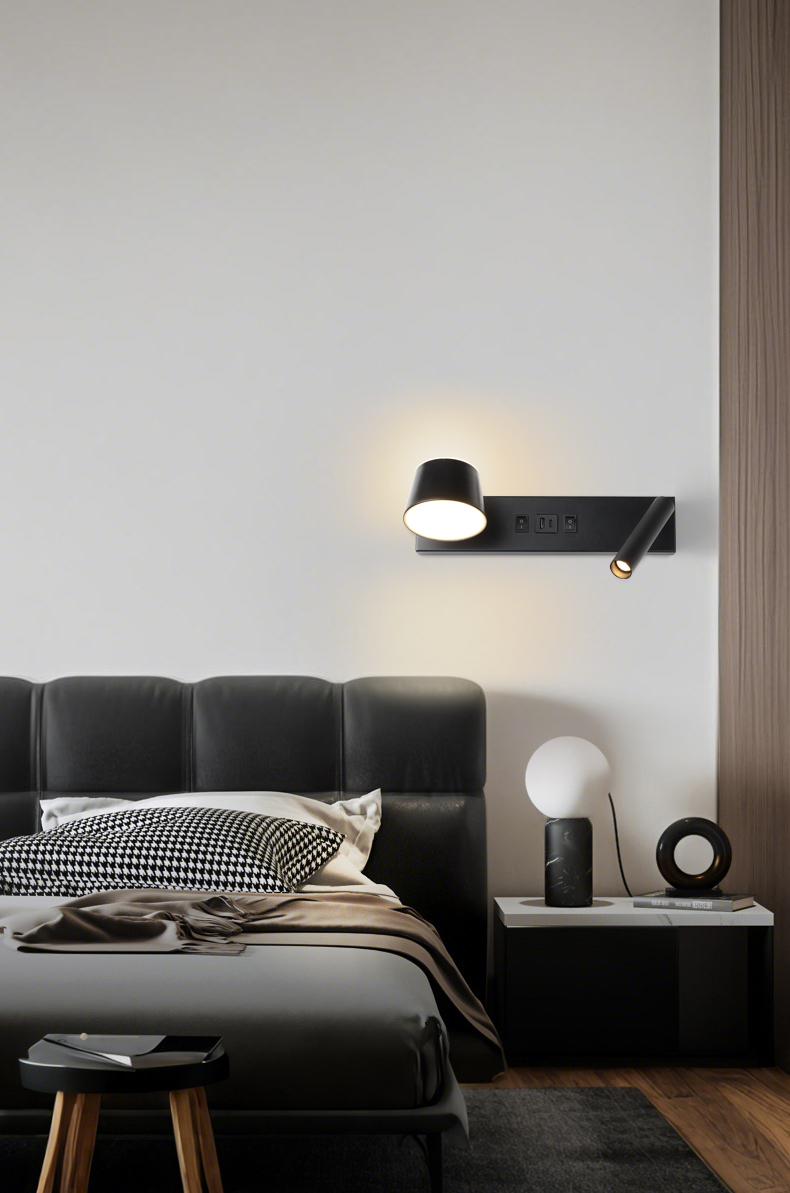
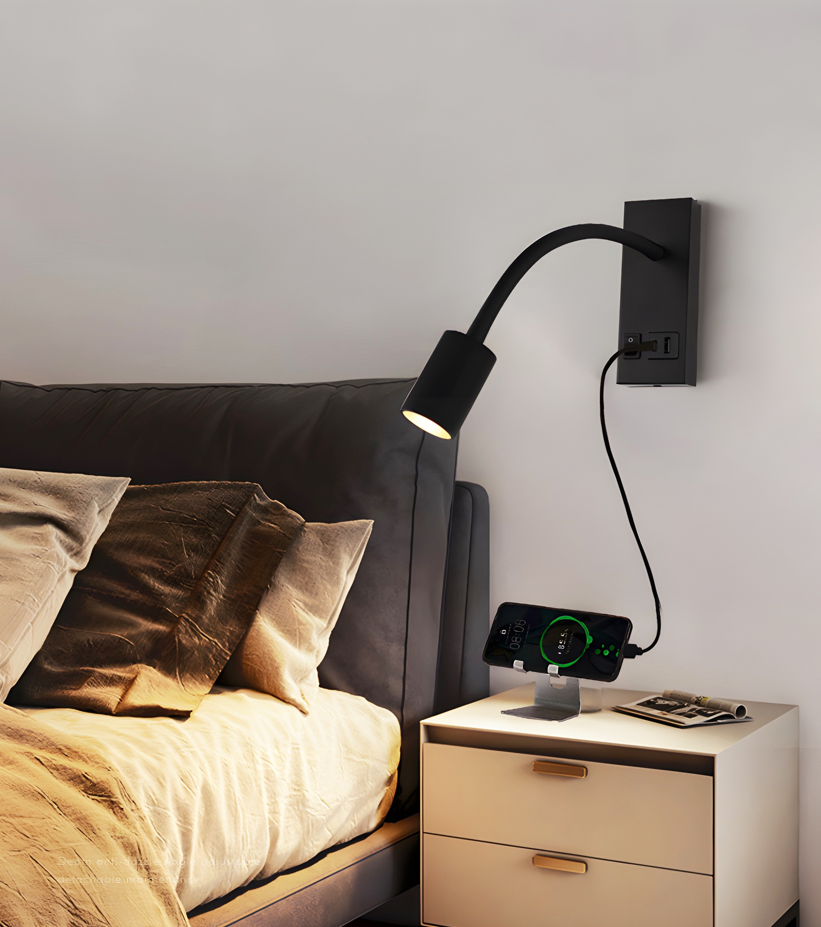
Do you struggle with poor lighting while reading? A good LED reading light can change that completely.
LED reading lamps offer bright, energy-efficient light that reduces eye strain. They come in various styles like clip-on and desk lamps.
In this post, you’ll learn why LED reading lights are ideal, their benefits, and how to pick the perfect book light for your needs.
How to Choose the Best LED Reading Light for Your Needs
Selecting the perfect led reading light can transform your reading experience. With so many options—from clip-on reading lights to rechargeable neck reading lights—it’s important to consider features that suit your lifestyle and reading habits.
Understanding LED Color Temperature and Its Impact on Reading Comfort
LEDs come in various color temperatures, measured in Kelvins (K). Warmer tones (2700K–3000K) create a cozy, relaxing atmosphere, ideal for bedtime reading. Cooler temperatures (4000K–5000K) boost alertness and are great for focused tasks during the day. Choosing a warm reading light can reduce eye strain and help you unwind, while cooler light enhances concentration.
Adjustable Brightness: Why Dimming Matters
Brightness control is key. A good reading light offers multiple brightness levels or stepless dimming to adapt to different environments and times of day. Dimming helps prevent glare and fatigue, allowing you to read comfortably without disturbing a sleeping partner. Many rechargeable reading lights feature intuitive touch controls or buttons for easy adjustment.
Types of LED Reading Lamps: Clip-On, Neck, Desk, and More
Clip-on lights: Attach directly to your book or e-reader. They are portable and convenient, perfect for on-the-go reading.
Neck reading lights: Wearable and hands-free, these provide a personal light bubble without bothering others.
Desk lamps: Offer adjustable arms and focused illumination, ideal for study or workspaces.
Floor and table lamps: Provide ambient or task lighting in a room setting.
Each type serves different needs, so consider where and how you read most.
Light Direction and Positioning for Optimal Reading
An adjustable neck or arm allows precise light placement. Position the light to shine directly on your reading material, minimizing shadows and glare. For example, a bendable reading light or bendy reading light can be angled perfectly over your book. This flexibility enhances comfort, especially during long reading sessions.
Portability and Power Options: Rechargeable vs. Battery-Powered
Portable usb rechargeable reading lights combine convenience with eco-friendliness. They eliminate the hassle of replacing batteries and often offer long runtimes. On the other hand, some prefer reading light battery powered models for quick swaps without waiting to recharge. Choose based on your reading habits and access to charging.
Additional Features to Consider: Timers, Blue Light Filters, and More
Modern LED reading lamps may include:
Timers: Automatically turn off after a set period to save battery.
Blue light filters: Reduce eye strain and improve sleep quality when reading at night.
Battery indicators: Help monitor power levels.
Dual arms: For wider light coverage.
These extras enhance usability and comfort.
Matching LED Reading Lights to Your Reading Environment
Think about where you’ll use the light:
For bed, a best reading light to not disturb partner might be a warm, low-brightness clip-on or neck light.
At a desk, a bright, adjustable desk reading lamp with cool light may boost productivity.
For travel, a compact portable led reading light or attachable reading light is ideal.
Matching your light to your space ensures the best performance.
Tip: When choosing a reading light, prioritize adjustable brightness and color temperature to tailor your lighting for comfort and eye health in any environment.
LED Color Temperature and Its Effects on Reading
When choosing a led reading light, understanding color temperature is key to creating a comfortable reading environment. Color temperature, measured in Kelvins (K), influences how light feels to your eyes and affects your focus and relaxation.
Warm White LEDs (2700K–3000K) for Relaxed Reading
Warm white LEDs emit a soft, yellowish glow that mimics the cozy light of a sunset or candlelight. This range (2700K to 3000K) is ideal for evening reading sessions, especially if you want to unwind without straining your eyes. A warm reading light helps reduce eye fatigue and promotes relaxation, making it perfect for bedtime. It also minimizes blue light exposure, which can interfere with your sleep cycle.
Cool White LEDs (4000K–5000K) for Focus and Productivity
Cool white LEDs produce a bright, crisp light with a bluish tint. Their color temperature ranges from 4000K to 5000K, simulating natural daylight. This type of light enhances alertness and concentration, making it suitable for daytime reading or study sessions. If you need to stay productive or focus on detailed tasks, a cooler reading light led will help keep your mind sharp.
Avoiding Blue Light Exposure Before Bedtime
Blue light, common in cool white LEDs and electronic screens, can disrupt melatonin production and disturb sleep. For night readers, choosing a reading light led with low or filtered blue light is beneficial. Some models feature built-in blue light filters or offer adjustable color temperatures, allowing you to switch to warmer tones in the evening.
How Color Temperature Influences Eye Strain and Sleep Quality
The right color temperature can significantly reduce eye strain during long reading sessions. Warm lights soothe your eyes and prepare your body for rest, while cool lights keep you alert but can cause discomfort if used late at night. Selecting a good reading light with adjustable color temperature and brightness ensures you can tailor your lighting to your needs, protecting your eyes and improving sleep quality.
Tip: For the best reading comfort, opt for a bendable reading light or attachable reading light with adjustable color temperature, so you can easily switch between warm and cool lighting depending on the time of day.

Types of LED Reading Lamps and Their Best Uses
When it comes to choosing a led reading light, understanding the different types available can help you find the perfect match for your reading habits and environment. Each style offers unique benefits, from portability to hands-free convenience.
Clip-On LED Book Lights: Convenience and Portability
Clip-on lights are a favorite among readers who want a portable reading light that attaches directly to their book or e-reader. These lights are lightweight and easy to carry, making them ideal for travel or reading in bed. Many models feature a bendable reading light arm, allowing you to adjust the angle precisely. Some clip-on lights are usb rechargeable reading lights, eliminating the need for frequent battery changes. They provide focused illumination without disturbing a partner, making them a best reading light to not disturb partner option.
Neck LED Reading Lights: Hands-Free Comfort
Rechargeable neck reading lights offer a hands-free experience by resting comfortably around your neck. These are perfect for readers who like to move around or prefer not to hold a light. The flexible arms, often called bendy reading lights, can be directed exactly where you need light. Since they are rechargeable reading lights, they provide long-lasting use without the hassle of replacing batteries. Neck lights create a personal light bubble, ideal for nighttime reading without disturbing others.
Desk LED Lamps: Focused and Adjustable Illumination
For those who read or work at a desk, a desk lamp with LED technology offers bright, adjustable light. These lamps often come with adjustable brightness and color temperature settings, allowing you to switch between a warm reading light for relaxation and a cooler light for focus. Many desk lamps have flexible arms or heads, so you can position the light to minimize glare and shadows. They are typically powered by USB or plug-in, providing consistent illumination for extended reading sessions.
Floor and Table LED Lamps: Ambient and Task Lighting
Floor and table lamps provide a broader light source that can brighten an entire reading nook or room. These lamps often combine ambient lighting with task lighting, making them versatile for different activities. While not as portable as clip-on or neck lights, they add style and comfort to your space. Look for models with dimming features and adjustable arms to customize your lighting.
Specialty LED Lamps: Amber and Banker's Lamps
Specialty lamps like amber reading lamps emit warm, soothing light that reduces blue light exposure, making them excellent for late-night reading. Banker's lamps, with their classic design and green glass shade, provide even illumination and add a touch of elegance to your desk or bedside table. These options focus on eye comfort and style, perfect for readers who value aesthetics alongside function.
Tip: When selecting a reading lamp, consider how and where you'll read most often—whether you need the portability of a portable led reading light, the hands-free convenience of a neck reading light, or the focused brightness of a desk LED lamp—to ensure your choice enhances your reading comfort and experience.
Key Features to Look for in LED Reading Lamps
Choosing the right led reading light means paying close attention to several key features that impact your reading comfort and convenience. Whether you prefer a bendable reading light or a usb rechargeable reading light, these factors will guide you toward the best choice.
Brightness Levels and Lumens: Finding the Right Intensity
Brightness is measured in lumens, and for reading, you generally want a light output between 300 and 500 lumens. This range provides enough illumination to read comfortably without causing eye strain. Many good reading light models offer adjustable brightness levels, allowing you to tailor the intensity to your environment. For example, dimmer settings are perfect for nighttime reading, especially if you want the best reading light to not disturb partner.
Adjustable Necks and Arms for Custom Light Positioning
Flexibility in positioning is crucial. A bendable reading light or one with adjustable arms lets you direct light exactly where you need it. This feature reduces shadows and glare, enhancing readability. Models with bendy reading light arms or gooseneck designs are especially popular because they adapt to various reading postures and book sizes.
Battery Life and Charging Options
For portable use, battery life is a top priority. Many rechargeable reading lights come with built-in lithium-ion batteries, offering hours of continuous light. A usb rechargeable reading light adds convenience by letting you charge via USB ports, eliminating the need for disposable reading light battery replacements. Some lights also feature battery indicators to help you monitor power levels.
Light Coverage: Single vs. Dual Arm Designs
Single-arm reading lights focus light on a small area, ideal for narrow books or e-readers. Dual-arm designs, like the attachable reading light with two flexible arms, provide broader coverage, perfect for larger books or magazines. The choice depends on your reading materials and personal preference.
Build Quality and Material Considerations
Durability matters, especially for portable lights. Look for models made with sturdy materials such as aluminum or high-grade plastic. A well-built portable led reading light withstands daily use and travel. Additionally, padded clips or grips protect your books from scratches.
Ease of Use and Controls
Simple, intuitive controls enhance your experience. Touch-sensitive buttons or clearly marked switches make adjusting brightness and color temperature straightforward. Some rechargeable neck reading lights include timers or memory functions, remembering your preferred settings for effortless use.
Tip: Prioritize LED reading lamps with adjustable brightness and flexible necks to customize light direction and intensity, ensuring optimal comfort for every reading session.

Top LED Reading Light Models and Their Benefits
When it comes to choosing the perfect led reading light, knowing the best models available can save you time and ensure you get exactly what you need. Whether you want a portable reading light for travel or a lamp that won’t disturb your partner, here’s a rundown of top options tailored to different preferences.
Best Overall LED Reading Light Options
The Ecologic Mart Double Arm is a standout choice for many readers. Its dual flexible arms provide excellent coverage for both pages of a book. You can adjust brightness and switch between warm, cool, and neutral light settings, making it versatile for day or night reading. The clip is padded and fits both hardcover and paperback books comfortably. Plus, it’s a usb rechargeable reading light with a long battery life and even includes a handy battery indicator. Its portability is enhanced by the included velvet carrying pouch, making it a great all-around good reading light.
Budget-Friendly LED Book Lights
For those seeking affordability without sacrificing quality, the Energizer Clip-On is a classic. It’s lightweight, durable, and easy to clip onto books or e-readers. While it only offers one brightness setting and runs on replaceable batteries, it’s perfect if you want a simple, no-fuss clip-on reading light. Its compact design folds flat for easy storage, making it one of the best portable led reading lights on a budget.
Best LED Reading Lights for Nighttime Use
If you often read before bed and want to avoid disturbing your partner or affecting your sleep, the Hooga Health Clip-On Light is an excellent pick. It features an amber glow with almost no blue light emission, which is gentler on your eyes and helps maintain your natural sleep cycle. Though it isn’t very bright compared to other models, it’s perfect for cozy, late-night reading sessions. This model is also usb rechargeable reading light, combining convenience with eye-friendly technology.
Most Versatile LED Reading Lamps
The Glocusent LED Neck Light offers hands-free comfort with its wearable design. It has two adjustable LED arms, each with multiple brightness and color temperature settings. This makes it ideal not only for reading but also for other tasks like knitting or technical work. Its rechargeable battery lasts long, and the flexible arms allow you to direct light precisely where you need it. While a bit bulkier, it’s one of the most versatile rechargeable neck reading lights available.
LED Reading Lights Ideal for Hardcover and Paperback Books
For hardcover books, the Mighty Bright The Original NuFlex Book Light is a sturdy option with a wide clip and bright illumination. It’s powered by AAA batteries but can also be recharged via micro-USB. For paperback lovers, the DEWENWILS USB Rechargeable Book Reading Light is slim and lightweight, with a warm light that’s easy on the eyes. It clips neatly without weighing down the book, making it a top choice for attachable reading light needs on paperbacks.
Tip: When selecting a led reading light, consider your primary reading habits and book types to pick a model that balances brightness, portability, and comfort—whether that’s a versatile dual-arm clip-on or a cozy, warm-tone light for nighttime reading.
Tips for Positioning and Using Your LED Reading Light
Using your led reading light effectively can make a huge difference in your reading comfort and eye health. Proper positioning and adjustment not only enhance visibility but also reduce eye strain and prevent disturbing others. Here’s how to get the most out of your reading lamp, whether it’s a clip-on reading light, a rechargeable neck reading light, or a desk lamp.
Optimal Placement to Minimize Shadows and Glare
Place your reading light so it shines directly onto your book or reading material, ideally from above or slightly to the side. This setup helps eliminate shadows cast by your hands or head. For right-handed readers, position the light on the left side, and vice versa for left-handed readers, to avoid your hand casting a shadow on the page.
If you use a bendable reading light or bendy reading light, adjust its flexible arm to direct light precisely where needed. This flexibility is especially helpful when reading in different postures or lighting environments.
Avoid placing the light too close or too far from your book. Too close can cause glare, while too far may reduce brightness. A distance of about 12 to 18 inches usually works well.
Adjusting Brightness and Color Temperature for Different Times of Day
Your eyes’ lighting needs change throughout the day. During daylight hours, a brighter, cooler light (around 4000K to 5000K) can boost focus and clarity. At night, switch to a warm reading light with a color temperature between 2700K and 3000K to create a cozy atmosphere and reduce blue light exposure.
Many usb rechargeable reading lights offer adjustable brightness and color temperature settings. Use dimming features to lower brightness when sharing a room, ensuring you’re the only one disturbed by your reading light.
Maintaining Eye Comfort During Long Reading Sessions
Keep your eyes comfortable by taking short breaks every 30 to 45 minutes. Blink frequently to keep eyes moist and avoid dryness. Adjust your reading light led to prevent glare on glossy pages or screens. If your light has a blue light filter, consider using it during evening reading sessions to protect your sleep cycle.
Using LED Reading Lights for Other Activities Beyond Reading
LED reading lights are versatile. Use your portable led reading light for hobbies like knitting, sketching, or working on detailed crafts. The adjustable arms and brightness levels make them perfect for various tasks requiring focused illumination.
For hands-free convenience, a rechargeable neck reading light lets you move freely while keeping your workspace well-lit. This is ideal for multitasking or moving around the house.
Tip: Position your LED reading light to shine directly on your book from above or the side, adjust brightness and color temperature according to the time of day, and take regular breaks to maintain eye comfort during long reading sessions.
Conclusion
Choosing the right LED reading light involves balancing features, price, and personal preference for the best experience. Adjustable brightness and color temperature greatly enhance comfort and reduce eye strain. Selecting a light type that fits your reading habits ensures convenience and effectiveness. For quality and innovation, Oteshen offers LED reading lights designed to provide optimal illumination and comfort. Their products combine flexibility, durability, and user-friendly features, making reading more enjoyable in any setting.
FAQ
Q: What is the best type of led reading light for not disturbing a partner?
A: A warm reading light with adjustable brightness, such as a clip-on or rechargeable neck reading light, is ideal. These models provide focused, soft illumination that minimizes glare and prevents disturbing a sleeping partner.
Q: How do usb rechargeable reading lights compare to battery-powered reading lamps?
A: Usb rechargeable reading lights are eco-friendly and convenient, offering long runtimes without frequent battery changes. Battery-powered reading light models allow quick swaps but require keeping spare batteries. Choose based on your usage and charging access.
Q: Can a bendable reading light improve my reading comfort?
A: Yes, a bendy reading light or attachable reading light allows precise positioning to reduce shadows and glare, enhancing comfort during long reading sessions.
Q: What features should I look for in a good portable led reading light?
A: Look for adjustable brightness, warm light options, flexible arms, and usb rechargeable batteries to ensure portability and eye-friendly illumination.
Q: Why is color temperature important in led reading lights?
A: Color temperature affects eye strain and sleep quality. Warm reading lights (2700K–3000K) promote relaxation, while cooler lights (4000K–5000K) enhance focus and productivity.
Q: How long does the battery last on rechargeable reading lights?
A: Battery life varies but many usb rechargeable reading lights offer several hours of continuous use, with some models including battery indicators to monitor power.
Q: What is the best lamp for reading?
The best lamp for reading is one that provides focused, bright, and comfortable light without causing glare or eye strain. Look for:
Adjustable brightness (dimmable)
Color temperature between 3000K and 4000K
Adjustable neck or arm to direct light onto the page
Flicker-free LED with good color rendering
Clip-on, neck, and desk LED reading lights are all great options as long as they offer adjustable brightness and a comfortable color temperature.
Q: What type of lamp is good for reading?
Good reading lamps share a few key traits:
Desk lamps with adjustable arms for study and work areas
Clip-on book lights for reading in bed or on the go
Neck reading lights for hands-free, personal lighting
Floor lamps with reading arms for living rooms or reading corners
Choose a lamp style based on where you read most—bed, sofa, desk, or while traveling.
Q: What is the healthiest light for reading?
The healthiest light for reading is:
Bright enough (around 300–500 lumens for a focused reading area)
Warm to neutral color temperature (2700K–3500K)
Flicker-free and low-glare
Warm-to-neutral LED light is gentle on your eyes and helps reduce strain during long reading sessions.
Q: What is the best floor lamp for reading?
The best floor lamp for reading should have:
A separate reading arm or adjustable head that can be aimed at your book
Dimmable LED light with 300–500 lumens focused on your reading area
Color temperature around 3000K–4000K
A stable base and flexible neck/gooseneck for easy positioning
Look for dedicated “reading floor lamps” that highlight adjustability and LED technology.
Q: Are reading lamps worth it?
Yes, reading lamps are definitely worth it because they:
Provide targeted light where you need it most
Reduce eye strain and squinting
Help maintain a comfortable posture since you don’t have to lean into the light
Often use energy-efficient LEDs that last for years
A good reading lamp can make reading more enjoyable and healthier for your eyes.
Q: Is it better to read with white or yellow light?
It depends on the time of day and your goal:
For most people, warm to neutral white is ideal for reading.
Q: How to choose a reading lamp / How to choose a reading light?
When choosing a reading lamp, focus on these factors:
Brightness (lumens):
Color temperature:
Adjustability:
Power and portability:
Extra features:
Choose based on where, when, and how long you usually read.
Q: How many lumens should a reading lamp have?
For comfortable reading:
300–500 lumens is ideal for a focused reading area
If the lamp also lights up part of the room, you may want up to 600 lumens, ideally with dimming
Too little light makes you strain your eyes. Too much harsh light can also cause discomfort, so dimmable LEDs are the best choice.
Q: Are LED lamps good for reading?
Yes, LED lamps are excellent for reading because they:
Provide bright, clear light
Use very little energy
Have a long lifespan
Can offer adjustable color temperature and brightness
Stay cool to the touch, adding safety and comfort
Just make sure you choose a flicker-free, warm or neutral LED.
Q: What is the best reading lamp for macular degeneration?
For people with macular degeneration, the best reading lamps usually have:
Bright but glare-controlled light
High contrast on the page (neutral to cool white can help)
Adjustable intensity and direction so light is focused exactly where needed
Large, stable lamps rather than tiny clip-ons
Because macular degeneration is a medical condition, it’s important to consult an eye doctor or low-vision specialist for personalized advice and possibly combine good lighting with magnifiers or low-vision aids.
Q: How many watts should a reading lamp be?
With LEDs, watts are less important than lumens.
A 5–8W LED bulb can easily provide 300–500 lumens for reading
This is similar in brightness to a traditional 40–60W incandescent bulb, but uses much less energy
Focus on lumens and color temperature, not just wattage.
Q: What color light is healthiest for eyes?
For most people, warm to neutral white light is the healthiest for reading:
2700K–3500K
Gentle, comfortable, and less likely to cause eye fatigue
Especially good for evening and nighttime use
Extremely cold, bluish light can feel harsh and is less suitable for long, relaxed reading sessions.
Q: What color is best for reading?
For most reading situations:
Warm white (2700K–3000K) is best for bedtime and relaxed reading
Neutral white (3000K–4000K) is best for daytime, studying, and focus
If you mainly read at night, a warm reading light is usually the best choice.
Q: What is the best lamp for reading before bed?
For reading before bed, choose a lamp with:
Warm light (2700K–3000K)
Lower brightness settings for a softer glow
Adjustable direction to avoid lighting up the whole room
Optional blue light reduction mode
Clip-on and neck reading lights with warm LEDs are great if you don’t want to disturb your partner.
Q: Is warm or cool light better for reading?
Both can be useful:
If you can, choose a reading light with adjustable color temperature, so you can switch between warm and cool depending on the time of day.
Q: What LED color is best for reading?
For reading, the best LED color is:
Pure blue or very cool white light is not recommended for long reading sessions, especially at night.
Q: What light is best for eyesight?
For your eyesight, it’s best to use light that is:
Even and well-distributed (no sharp contrasts)
Bright enough (around 300–500 lumens on the page)
Low-glare and flicker-free
Warm to neutral white in color temperature
Good lighting helps your eyes work more comfortably, but it does not replace regular eye exams.
Q: Is 60W enough for reading?
If you’re talking about traditional incandescent bulbs, 60W is usually enough for reading.
In LED terms:
A 7–10W LED can equal a 60W incandescent in brightness.
As long as it provides around 300–500 lumens on your reading area, it’s enough.
Again, check lumens, not just “60W”.
Q: What color light is best for your brain?
For focus and productivity, your brain tends to respond well to:
For relaxation and winding down, your brain prefers:
So for studying or detailed reading, neutral white is helpful. For bedtime stories or relaxing, warm light is better.
Q: Which is better for reading soft white or daylight bulbs?
For most readers, soft white or warm/neutral white LEDs are better than strong daylight bulbs.
Q: What are the best reading lights for your eyes?
The best reading lights for your eyes usually have:
Flicker-free LED technology
Adjustable brightness
Warm to neutral color temperature (2700K–3500K)
A flexible neck or arm to avoid glare and shadows
Look for lamps marketed as “eye-care” or “eye-friendly”, but still check for real features: dimming, warm light, and adjustable direction.
Q: What color light is best for tired eyes?
When your eyes are tired, softer, warmer light is usually the most comfortable:
A warm, dimmable LED reading light is ideal for tired eyes, especially at the end of the day.