Are you tired of harsh bedroom lighting that disrupts your sleep? The right LED bedside lamp can change that. Lighting affects both your room’s mood and your rest quality. In this post, you’ll learn why LED bedside lamps matter, key features to consider, and how to choose the perfect style for your bedroom.
6 Led Bedside Lamp Styles to Suit Your Bedroom
Choosing the right LED bedside lamp can transform your bedroom into a cozy and functional retreat. Different styles suit various needs, spaces, and décor preferences. Here are six popular LED bedside lamp styles to consider:
![13de00ce-a9a5-4969-9c46-cf258b2c0c51]()
1. Directional LED Lamps for Focused Reading
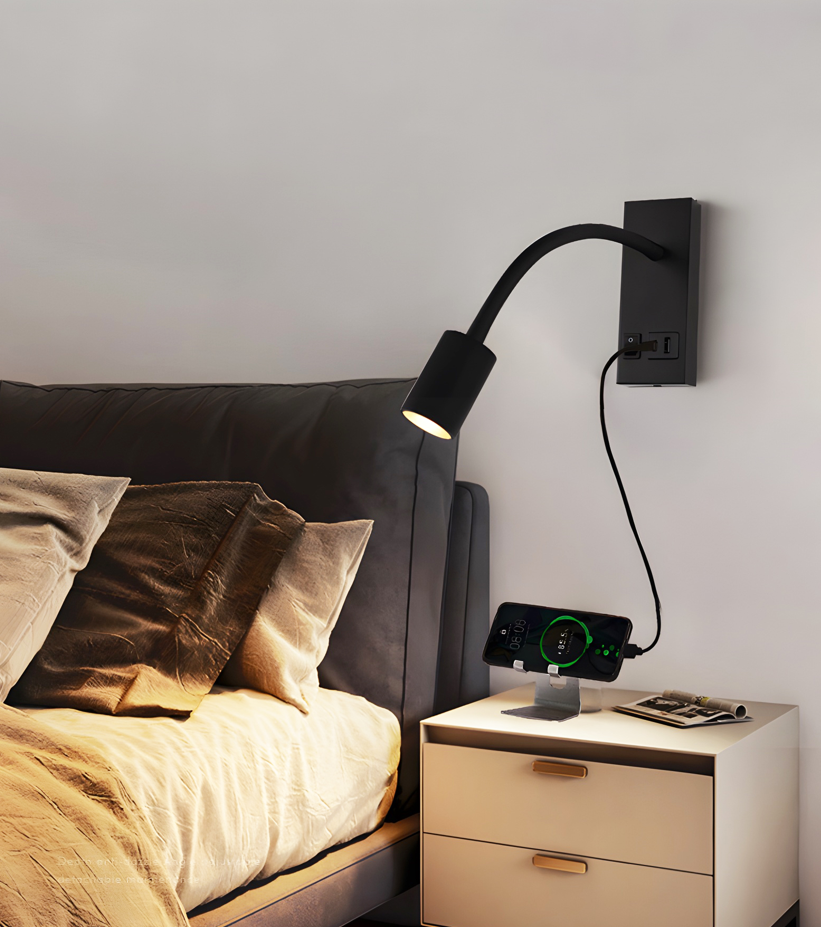
If you love reading in bed, a directional LED lamp is ideal. These lamps usually feature adjustable arms or shades, letting you aim the light exactly where you need it. This focused illumination reduces eye strain and prevents disturbing a sleeping partner. Many directional lamps come with touch control for easy brightness adjustments. Popular designs range from classic swing-arm models to sleek modern ones with LED bulbs that provide clear, flicker-free light.
2. Dimmable LED Lamps for Adjustable Mood Lighting
A dimmable bedside lamp offers versatile lighting options. You can brighten the room for reading or dim it down for relaxing and winding down. Many models include touch lamps bedside controls or rotary dimmers, allowing smooth transitions between light levels. This flexibility helps create the perfect ambience and supports healthy sleep cycles by reducing blue light exposure at night.
3. Large Statement LED Lamps for Spacious Bedrooms
In bigger bedrooms with ample nightstand space, large statement lamps make a bold impact. These modern LED bedside lamps often feature artistic bases or oversized shades that become focal points. They combine style with function, providing plenty of light and enhancing the room’s decor. Some even include bedside lamp with USB ports or charging stations for added convenience.
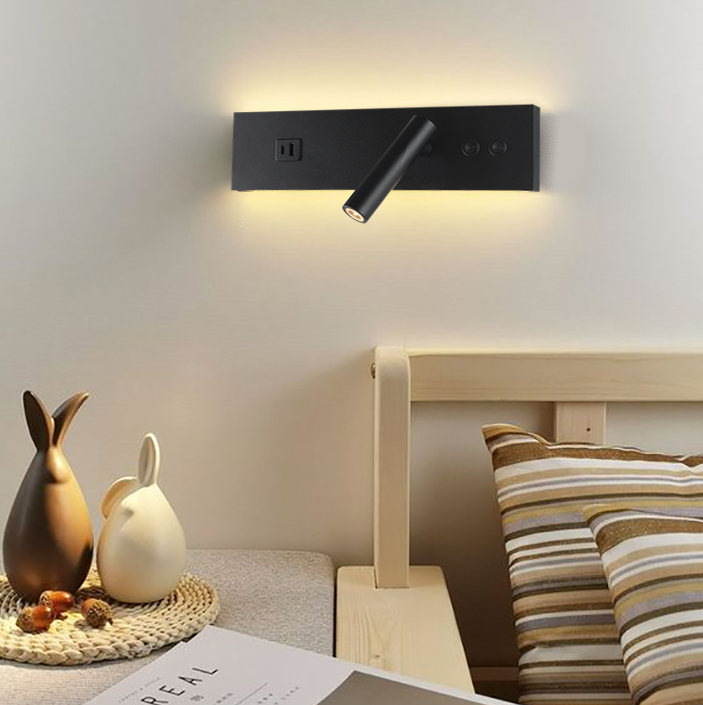
4. Wall-Mounted LED Lamps for Compact Spaces
When space is tight, wall mounted bedside lights or bedside pendant lights free up valuable nightstand area. These lamps can be hardwired or battery operated, and many feature adjustable arms or swivel heads for task lighting. They’re perfect for small bedrooms or minimalist setups and often come with touch control or remote dimming features.
5. Cordless Rechargeable LED Lamps for Flexible Placement
Rechargeable bedside lamps provide great flexibility without the hassle of cords. They run on built-in batteries and can be charged via USB, making them ideal for renters or rooms with limited outlets. Cordless lamps can be moved easily around the bedroom or even outdoors. Many offer dimmable LEDs and smart features like wireless charging pads, combining style with modern convenience.
6. Wake-Up LED Lamps for Improved Sleep Routines
Wake-up lamps simulate natural sunrise and sunset lighting to regulate your sleep cycle. These smart bedside lamps gradually increase light intensity in the morning, helping you wake up gently. Some models include additional features like alarm clocks, sound machines, and app control. They’re perfect for bedrooms with little natural light or for those seeking a healthier morning routine.
Choosing the Right Style to Match Your Bedroom Decor
When selecting your LED bedside lamp, consider your bedroom size, lighting needs, and personal style. A battery operated bedside lamp adds portability, while a lamp with USB ports doubles as a charging station. For a sleek look, try pairing wall mounted bedside lights with a small table lamp. Mixing styles—like a directional reading lamp on one side and a dimmable ambient lamp on the other—can also create visual interest and functionality.
Tip: For maximum versatility, choose a dimmable LED bedside lamp with touch controls and built-in USB charging to combine comfort, convenience, and modern style in your bedroom.
![316771d8-a80b-47f5-97ce-92c8c2cc7efe]()
Choosing the Perfect Led Bedside Lamp: Key Factors
Selecting the ideal LED bedside lamp involves more than just picking a pretty design. The right lamp balances size, brightness, features, and materials to fit your bedroom’s needs and style. Let’s explore the key factors to consider when choosing your perfect lamp.
Optimal Lamp Height and Size for Bedside Use
Your bedside lamp should provide comfortable lighting without causing glare or awkward shadows. A good rule of thumb is to choose a lamp between 24 to 27 inches tall from the base of your nightstand. This height places the light source near eye level when sitting up, perfect for reading or relaxing.
Consider the size of your nightstand and bedroom too. For smaller spaces, compact lamps or wall mounted bedside lights save surface area. Larger rooms can accommodate statement lamps that add visual interest without overwhelming the space.
Recommended Brightness and Color Temperature for Led Lamps
Brightness is measured in lumens, and for bedside use, 450 to 800 lumens is ideal. This range offers enough light for reading without being harsh or glaring. Many dimmable bedside lamps allow you to adjust brightness levels, which is great for switching between tasks and mood lighting.
Color temperature affects how warm or cool the light feels. For bedrooms, a warm white light between 2700K and 3000K creates a cozy, relaxing atmosphere. If you need brighter, more focused light for reading, lamps with adjustable color temperature offer flexibility.
Importance of Dimmability and Touch Controls
Dimmability is a must-have feature in a bedside lamp. It lets you tailor the light intensity to your activity and time of day, supporting better sleep hygiene by reducing blue light exposure at night.
Touch lamps bedside are increasingly popular for their ease of use. You can turn the lamp on or off and adjust brightness with a simple tap, which is especially handy in the dark. Many modern LED lamps combine dimmable LEDs with touch controls for smooth, intuitive operation.
Incorporating USB Ports and Charging Features
Modern lifestyles demand convenience, and a bedside lamp with USB ports or a charging station neatly integrates device charging into your nightstand setup. Look for lamps offering USB-A and USB-C ports with at least 5V/2.1A output to ensure fast charging.
Some advanced models even include wireless charging pads, allowing you to power your smartphone simply by placing it on the lamp base. This reduces clutter and keeps cables organized.
Material and Finish Choices for Durability and Style
The lamp’s material influences both its durability and how it complements your décor. Common materials include:
Metal: Sleek and modern, easy to clean, great for industrial or contemporary bedrooms.
Wood: Adds warmth and natural texture, perfect for rustic or farmhouse styles.
Ceramic: Offers timeless elegance with various finishes and colors.
Glass: Provides a light, airy feel but requires regular cleaning.
Finish matters too. Matte surfaces hide fingerprints better, while polished or metallic finishes add shine but need more upkeep.
Tip: When choosing a LED bedside lamp, prioritize dimmable touch controls and integrated USB charging to combine functionality, comfort, and modern convenience seamlessly in your bedroom.
Benefits of Led Technology in Bedside Lamps
LED technology has revolutionized bedside lighting, offering many advantages that enhance both function and comfort. When choosing a LED bedside lamp, understanding these benefits can help you select the best option for your bedroom.
Energy Efficiency and Longevity of Led Bulbs
One of the top benefits of LED bulbs is their exceptional energy efficiency. They consume up to 80% less electricity than traditional incandescent bulbs, which means lower energy bills and a smaller carbon footprint. Moreover, LEDs have a remarkably long lifespan, often lasting over 25,000 hours. This durability reduces the need for frequent replacements, making modern LED bedside lamps a cost-effective and sustainable choice.
Cool Operation and Safety Advantages
LED bulbs generate very little heat compared to incandescent or halogen bulbs. This cool operation makes battery operated bedside lamps and rechargeable bedside lamps safer to use, especially in tight spaces or around children and pets. The reduced heat risk also means less chance of burns or fire hazards, giving you peace of mind when you leave your lamp on overnight.
Enhanced Light Quality and Eye Comfort
LEDs provide bright, clear illumination with excellent color rendering, which helps reduce eye strain during reading or other tasks. Many dimmable bedside lamps feature adjustable brightness and color temperature, allowing you to customize the light to suit your mood or activity. Warm white LEDs (2700K–3000K) create a cozy atmosphere for relaxation, while cooler tones improve focus. Additionally, LED lights are flicker-free and emit minimal blue light, supporting better sleep hygiene.
Compatibility with Smart Home Systems
The integration of LED technology with smart home systems is seamless. Many smart bedside lamps offer compatibility with voice assistants like Alexa and Google Assistant, enabling hands-free control. You can schedule lighting scenes, adjust brightness remotely, or sync your lamp with other smart devices. Features like bedside lamp wireless charger and touch controls further enhance convenience and modern living.
Tip: When selecting a LED bedside lamp, prioritize models with dimmable LEDs and cool operation for energy savings, safety, and optimal eye comfort in your bedroom.
Styling Tips for Led Bedside Lamps in Your Bedroom
Choosing the right LED bedside lamp isn’t just about function; it’s also about style and how well it fits into your bedroom’s overall look. Here are some practical styling tips to help you create a cozy, balanced, and inviting space with your bedside lighting.
Balancing Lamp Size with Nightstand and Room Dimensions
When selecting a bedside lamp, size matters. A lamp that’s too large can overwhelm a small nightstand or bedroom, while one that’s too small might look lost in a spacious room. Aim for a lamp height between 24 to 27 inches, which typically complements most nightstands and provides comfortable lighting at eye level when sitting up in bed.
Consider the width of the lamp shade as well. Ideally, it should be about two-thirds the width of your nightstand to maintain visual balance. For smaller rooms, compact modern LED bedside lamps or battery operated bedside lamps with a slim profile work well. Larger bedrooms can handle statement lamps with bold bases or oversized shades that serve as focal points.
Mixing and Matching Lamp Styles for Visual Interest
Don’t feel restricted to matching lamps on both sides of the bed. Mixing styles can add personality and visual interest. For example, pair a directional LED lamp for reading on one side with a dimmable bedside lamp for mood lighting on the other. This approach caters to different lighting needs while creating a dynamic look.
Try to keep some elements consistent, such as lamp height or color palette, so the mix feels cohesive. Combining a bedside lamp with USB on one side and a smart bedside lamp on the other can blend tech convenience with style effortlessly.
Layered Lighting: Combining Led Lamps with Other Light Sources
Layering your bedroom lighting enhances both function and atmosphere. Use your LED bedside lamps alongside ceiling lights, wall sconces, or bedside pendant lights for a multi-dimensional effect. For smaller bedrooms, wall mounted bedside lights free up nightstand space and add a stylish touch.
Layered lighting lets you adjust brightness and mood throughout the day. For instance, use a bright dimmable bedside lamp for reading, then switch to softer ambient light from a pendant or wall lamp when winding down.
Using Led Lamps to Enhance Bedroom Themes and Colors
Your bedside lamp can reinforce your bedroom’s theme and color scheme. For a minimalist or modern look, choose lamps with sleek metal or glass finishes. Rustic or farmhouse styles pair well with wood or ceramic bases. Lampshades in neutral tones soften the light and complement most decors.
If your bedroom features bold colors, select a lamp with a subtle design to avoid clashing. Conversely, a statement lamp with a colorful or patterned shade can become a focal point in a neutral room.
Tip: When styling your bedroom with LED bedside lamps, balance lamp size with your nightstand and room scale, and don’t hesitate to mix lamp styles for both function and flair.
Practical Considerations When Buying Led Bedside Lamps
When choosing a LED bedside lamp, practical factors are just as important as style and features. Paying attention to your bedroom’s unique needs, space, budget, and maintenance will help you find a lamp that works beautifully day after day.
Assessing Your Bedroom Lighting Needs and Habits
Start by thinking about how you use your bedside lamp. Do you mainly read before bed? Or do you prefer soft, ambient lighting to relax? Maybe you need a lamp with USB ports to charge devices overnight or a rechargeable bedside lamp for flexible placement.
For focused tasks like reading, pick lamps with adjustable brightness and directional light.
If you want mood lighting, a dimmable bedside lamp with warm color temperature is ideal.
Smart lamps with touch controls or app integration suit tech-savvy users.
Consider a bedside lamp wireless charger if you prefer clutter-free charging.
Also, think about your bedtime routine. A lamp with gradual dimming or a wake-up light feature can improve your sleep quality by mimicking natural light cycles.
Space Constraints and Lamp Footprint
Measure your nightstand and the available space carefully. A bulky lamp can overwhelm a small table, while a tiny lamp might look lost on a large surface.
For compact spaces, wall mounted bedside lights or bedside pendant lights free up surface area.
Cordless or battery operated bedside lamps offer placement flexibility without cords.
Slim or adjustable lamps can fit tight corners or narrow nightstands.
Make sure the lamp’s base fits comfortably without crowding your essentials like books, glasses, or your phone.
Budgeting for Style and Features
LED bedside lamps come in a wide price range. Set a budget but prioritize features that matter most to you.
Basic LED lamps with simple on/off switches are affordable and functional.
Mid-range models often include dimmability, touch controls, and USB charging.
Premium lamps may offer smart home compatibility, wireless charging pads, or designer aesthetics.
Remember that investing in energy-efficient LEDs saves money over time through lower electricity bills and fewer bulb replacements.
Maintenance and Care for Led Bedside Lamps
To keep your lamp looking and working great:
Dust regularly with a soft cloth to prevent buildup, especially on shades.
For glass or ceramic bases, use gentle cleaning solutions.
Check cords and plugs periodically for wear or damage.
Replace LED bulbs as recommended, though they typically last many years.
For touch lamps bedside, avoid moisture on control surfaces to prevent malfunction.
Choosing durable materials like metal or quality wood also reduces maintenance needs and extends your lamp’s lifespan.
Tip: Before purchasing, map out your bedside table’s dimensions and list your must-have features like dimmability, USB ports, or cordless operation to narrow down LED bedside lamp options that fit your space, lifestyle, and budget perfectly.
Conclusion
Choosing the right LED bedside lamp enhances both comfort and style in your bedroom. Various styles like directional, dimmable, and cordless lamps offer tailored benefits for different needs. Prioritize features such as adjustable brightness, USB charging, and size to suit your space perfectly. Selecting a lamp that complements your décor while providing practical lighting improves your bedtime routine. Oteshen offers innovative LED bedside lamps designed to combine modern convenience with elegant design, adding lasting value to your bedroom.
FAQ
Q: What are the benefits of using a LED bedside lamp with dimmable and touch control features?
A: A LED bedside lamp with dimmable and touch control allows you to easily adjust brightness for reading or relaxing, enhancing comfort and supporting better sleep hygiene. Touch lamps bedside offer intuitive operation, making it simple to change light levels without fumbling for switches.
Q: How does a rechargeable bedside lamp improve bedroom lighting flexibility?
A: Rechargeable bedside lamps run on built-in batteries and can be charged via USB, offering cordless convenience. This flexibility lets you place the lamp anywhere in your bedroom or even outdoors without worrying about power outlets. Many also include dimmable LEDs and smart features like wireless charging pads.
Q: Why should I consider a bedside lamp with USB ports or a wireless charging station?
A: Bedside lamps with USB ports or wireless charging stations combine lighting with device charging, reducing clutter and keeping your phone or tablet powered overnight. These features add modern convenience, making your LED bedside lamp multifunctional and ideal for busy lifestyles.
Q: What style of LED bedside lamp suits small bedrooms with limited space?
A: For compact spaces, wall mounted bedside lights or bedside pendant lights are excellent choices as they free up nightstand area. Battery operated or cordless lamps also offer flexible placement without cords, helping maintain a minimalist and organized bedroom.
Q: How do smart bedside lamps enhance the bedroom experience?
A: Smart bedside lamps often include features like wake-up light simulation, app control, and voice assistant compatibility. These lamps help regulate sleep cycles with gradual light changes and add convenience through remote dimming and scheduling, improving overall bedroom ambiance and routine.
Q. What LED light is best for a bed?
For most bedrooms, the best LED light is one that supports warm white color temperature (2700K–3000K).
Warm LEDs create a relaxing, cozy atmosphere and minimize blue light exposure, which can otherwise interfere with melatonin production and sleep quality.
Best LED types for bedside use:
Warm white LEDs (2700K–3000K) — ideal for relaxation and reading before sleep
Dimmable LEDs — allow brightness control
Flicker-free LEDs — reduce eye strain
High CRI (90+) LEDs — show colors naturally and improve visual comfort
If you read in bed often, choose an LED with adjustable color temperature so you can switch to cooler tones (3500K–4000K) for focused reading.
Q. How many lumens should a bedside lamp be?
A bedside lamp should typically provide 450–800 lumens.
If your lamp is dimmable, you get more flexibility for both brightness and bedtime relaxation.
Q. Is it safe to leave a LED lamp on all night?
Yes — LED bedside lamps are generally safe to leave on overnight, as they:
However, avoid leaving cheap, untested LED lamps on all night.
Choose lamps with UL, CE, or RoHS certification for safety.
Q. What type of light is best for reading in bed?
For reading in bed, choose a lamp that offers:
✔ Brightness: 450–800 lumens
✔ Color Temperature: 3000K–4000K
✔ Best styles for reading:
A directional arm helps keep light focused on your book without disturbing your partner.
Q. What is the rule of thumb for bedside lamps?
The general rule of thumb:
Lamp height should be 24–27 inches
— from the top of the lamp to your nightstand.
This puts the light source roughly at eye level when you are sitting up in bed, minimizing glare.
Nightstand proportion rule:
This keeps the room visually balanced.
Q. Is 800 lumens too bright for a lamp?
800 lumens is not too bright — as long as your lamp is dimmable.
If your lamp is not dimmable, 800 lumens may feel harsh in a small bedroom.
Q. Can LED lights overheat?
LEDs produce much less heat than incandescent or halogen bulbs, but:
To avoid overheating:
Choose high-quality LED bedside lamps
Ensure proper ventilation
Avoid covering the lamp with fabric or objects
Overheating is rare with certified LED lamps.
Q. Does leaving LED lights on use a lot of electricity?
No — LEDs are extremely energy-efficient.
A standard LED bedside lamp uses 4–10 watts, which costs only about:
➡️ $0.30–$1.00 per month if used 8 hours every night.
This is 80% less energy than incandescent bulbs.
Q. Can I sleep with LED lights on while sleeping?
You can, but it's not ideal.
Bright LED lights—especially cool white ones—can:
Best LED lighting for sleep:
Smart bedside lamps with sunset simulation provide the healthiest option.
Q. What brightness bulb for bedside lamp?
For bedside use:
A dimmable LED bulb is the most versatile choice.
Q. How many lumens are good for a night light?
A night light should provide 5–20 lumens.
This is enough to:
Warm (2200K–2700K) light is best.
Q. What size lamp should go on a nightstand?
Choose lamp size based on your nightstand:
Ideal proportions:
Example:
If your nightstand is 18 inches wide → lamp shade should be about 9–12 inches wide.
For small nightstands, choose:
Q. How many lumens does a bedside table lamp have?
Most bedside table lamps fall within:
Ambient lamps: 300–500 lumens
Reading lamps: 600–800 lumens
Smart wake-up lamps: 200–400 lumens gradual sunrise mode
The best choice depends on your routines and bedroom size.