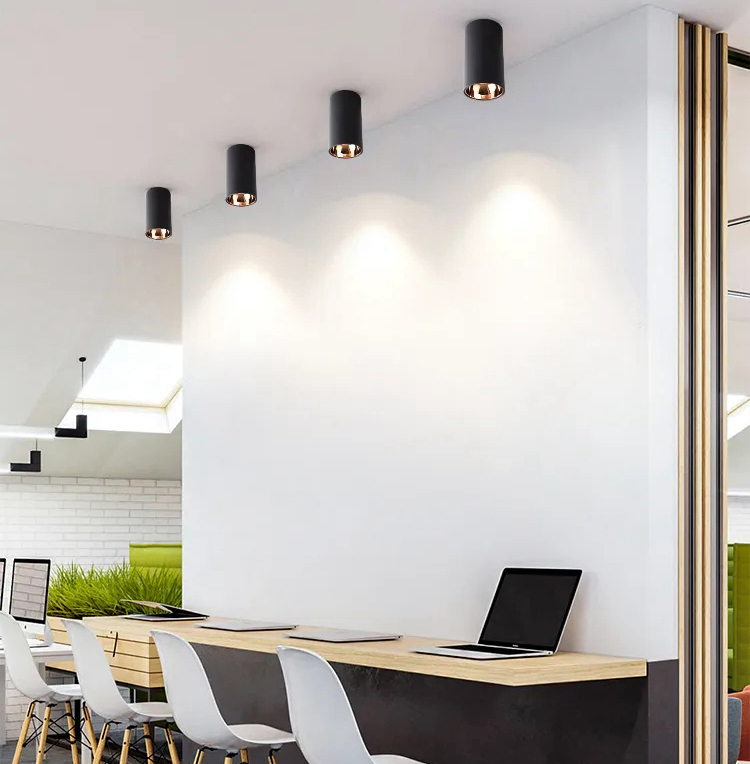
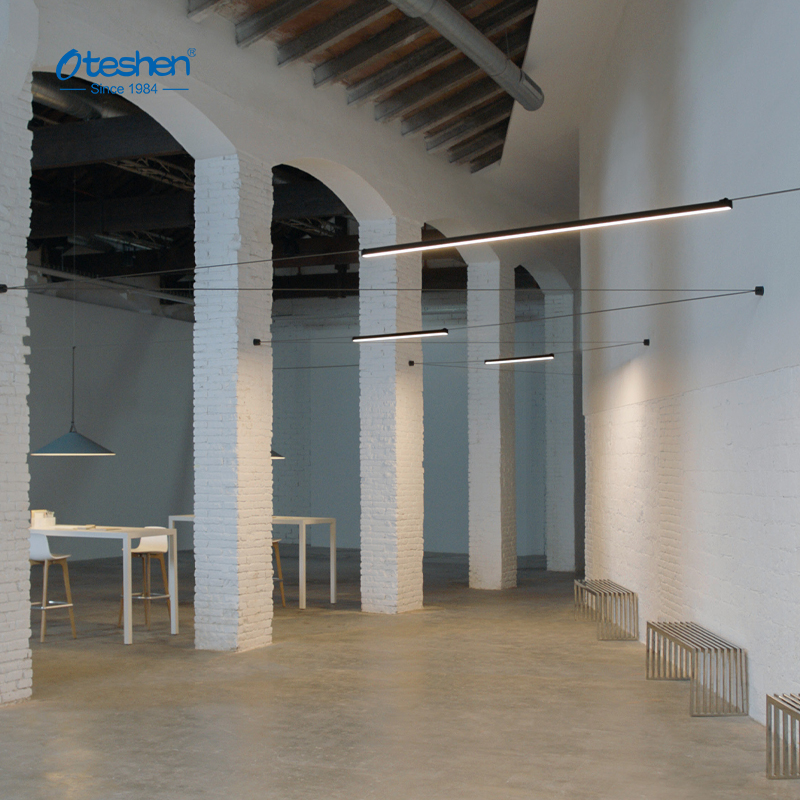
Is your office lighting helping or hurting productivity? Poor lighting can cause eye strain and fatigue. Upgrading to office LED lighting boosts comfort and cuts energy costs. In this guide, you'll learn how to choose, design, and maintain effective LED lighting for commercial offices.
Choosing the Right Office LED Lighting Solutions
Selecting the perfect office LED lighting involves more than just picking bright bulbs. It requires understanding how lighting impacts tasks, comfort, and energy use in your commercial space. Let’s explore key factors to consider for effective office LED lighting.
Evaluating Lighting Needs Based on Office Tasks
Different office activities demand varying light levels. For instance, detailed tasks like reading or design work need brighter, focused light, while general office areas benefit from softer ambient lighting. Consider these layers:
Office task lighting: Focused fixtures such as desk lamps or pendant lights over workstations.
Office ambient lighting: General illumination provided by ceiling fixtures or LED panel lights.
Accent lighting: Highlights artwork or architectural features to enhance aesthetics.
Matching the lighting type to the task improves comfort and productivity.
Calculating Required Lumens and Light Intensity
Lumens measure the total visible light output. To avoid eye strain, aim for about 300–500 lux (lumens per square meter) in typical office areas, with 500 lux or more for detailed tasks. Use this formula to estimate total lumens:
Total lumens = Area (m²) × Desired lux level
Then, select LED office ceiling light fixtures that collectively meet or exceed this lumen output. Remember, over-lighting can cause glare, while under-lighting leads to fatigue.
Understanding Color Temperature for Productivity
Color temperature, measured in Kelvins (K), affects mood and focus:
3000K–3500K (Warm White): Creates a relaxing atmosphere, good for lounges or break rooms.
4000K (Neutral White): Ideal for most office environments; balances warmth and alertness.
5000K–6500K (Daylight): Mimics natural daylight, enhancing concentration in task-heavy areas.
Choosing the right color temperature supports circadian rhythms and worker well-being.
Selecting Appropriate Color Rendering Index (CRI)
CRI indicates how accurately colors appear under a light source. For office spaces, a CRI of 80+ is generally sufficient. Creative spaces or design studios may require 90+ CRI for true color representation. High CRI office LED light fixtures help reduce eye strain and improve visual clarity.
Energy Efficiency and Long-Term Cost Savings
LEDs are inherently energy-efficient, consuming up to 90% less power than traditional lighting. Pairing LED office overhead lighting with smart controls like occupancy sensors and daylight harvesting maximizes savings. Over time, this reduces utility bills and maintenance costs.
Integrating Smart Controls and Dimming Options
Smart lighting systems allow customization of brightness and color temperature throughout the day. Dimmable LED fixtures and controls enable:
Energy savings during low-occupancy periods.
Personalized lighting for different tasks or preferences.
Enhanced ambiance for meetings or presentations.
These features contribute to a flexible, comfortable workspace.
Proper Placement and Layering of LED Fixtures
Strategic fixture placement avoids glare and shadows. Consider:
Aligning LED office ceiling light fixtures with desk layouts.
Using pendant lights over communal tables for focused task lighting.
Layering ambient, task, and accent lighting for balanced illumination.
Proper layering enhances visual comfort and aesthetic appeal.
Tip: When planning your office LED lighting, always calculate lumens based on specific tasks and space size to ensure balanced, energy-efficient illumination that supports productivity.

Types of Office LED Lighting Fixtures
Choosing the right types of office LED lighting fixtures is crucial for creating a productive and comfortable workspace. Each fixture type serves a specific purpose, whether it’s general illumination, task lighting, or accent lighting. Let’s explore the most common office LED light fixtures and how they fit into modern commercial office lighting designs.
LED Panel Lights and Troffers for General Illumination
LED panel lights and troffers are staples in commercial office environments. Typically installed in drop ceilings or suspended grids, these fixtures provide uniform, glare-free ambient lighting. They are excellent for general illumination, covering large areas with soft, even light that reduces eye strain.
Usually available in standard sizes like 2x2 or 2x4 feet.
Offer high lumen output with low power consumption.
Compatible with dimming controls and smart sensors for energy savings.
Ideal for open office layouts and conference rooms.
Suspended and Pendant LED Lights for Task Areas
Suspended LED lights, including office pendant lights, hang from the ceiling to provide focused task lighting. They are perfect for workstations, meeting tables, or reception areas where direct illumination is needed.
Pendant lights add a modern aesthetic while delivering precise light.
Adjustable height and directionality options enhance flexibility.
Often used in clusters over collaborative spaces or individual desks.
Combine well with ambient lighting to create layered illumination.
Recessed LED Lighting for Clean Aesthetics
Recessed LED office ceiling light fixtures are embedded into ceilings, offering a sleek, unobtrusive look. They provide general or accent lighting without visual clutter.
Fit flush with ceiling surfaces for a minimalist appeal.
Reduce glare and shadows, enhancing visual comfort.
Suitable for small offices or areas requiring a clean design.
Available in adjustable or fixed beam options.
Track and Accent Lighting for Flexible Use
LED track lighting systems offer versatility by allowing fixture heads to be repositioned along a track. This makes them ideal for highlighting artwork, signage, or specific zones within an office.
Perfect for dynamic office layouts or retail-style commercial spaces.
Supports dimming and color temperature adjustments.
Can be combined with other fixture types for a comprehensive lighting scheme.
Emergency and Exit LED Lighting Requirements
Safety is paramount in commercial offices. Emergency LED lighting fixtures, including exit signs and backup lights, ensure safe evacuation during power outages.
Must comply with local building codes and NFPA standards.
Typically include battery backups for at least 90 minutes of operation.
LED technology offers long-lasting, low-maintenance solutions.
Strategically placed near exits, stairwells, and corridors.
Tip: When selecting office LED light fixtures, balance aesthetics with function by mixing general, task, and accent lighting to create a layered, flexible lighting environment that supports productivity and comfort.
Designing Office Lighting for Comfort and Productivity
Creating a comfortable and productive office environment hinges on smart lighting design. Properly designed office LED lighting reduces eye strain, supports natural body rhythms, and balances artificial and natural light for a welcoming workspace. Let’s explore key strategies to achieve this.
Reducing Glare and Eye Strain with LED Lighting
Glare from harsh or poorly positioned lighting can cause headaches and fatigue. LED office ceiling light fixtures with diffusers or frosted lenses soften light and minimize glare. Positioning fixtures to avoid direct reflection on computer screens is essential. Using indirect lighting techniques, such as uplighting or pendant lights with downward shields, further reduces eye strain. For example, office pendant light fixtures with adjustable angles help direct light precisely where needed without causing discomfort.
Supporting Circadian Rhythms with Tunable LED Lights
Tunable LED lighting systems adjust color temperature throughout the day, mimicking natural sunlight patterns. Cooler, blue-enriched light in the morning boosts alertness, while warmer tones in the afternoon promote relaxation. This dynamic lighting supports employees’ circadian rhythms, enhancing focus and well-being. Integrating tunable office LED light fixtures in workspaces, conference rooms, and break areas creates a healthier environment that aligns with natural body clocks.
Balancing Natural and Artificial Lighting
Maximizing natural light reduces energy use and improves mood. However, daylight levels fluctuate, so combining natural light with consistent office ambient lighting ensures steady illumination. Use LED office ceiling lights with dimming controls to adjust brightness based on available daylight. Position workstations near windows but shield direct sunlight with blinds or shades to prevent glare. This balance creates a vibrant workspace that feels open and inviting.
Using Indirect and Accent Lighting to Enhance Ambiance
Layering lighting types adds depth and comfort. Indirect lighting, such as wall washers or uplights, provides gentle ambient illumination without harsh shadows. Accent lighting highlights architectural features or artwork, adding visual interest. For instance, track lighting or LED office light fixtures with adjustable heads can spotlight key areas, boosting aesthetic appeal. This layered approach helps reduce eye fatigue and fosters a pleasant atmosphere.
Tip: Incorporate tunable LED office lighting with adjustable glare control to create a workspace that adapts to employees’ needs and natural light cycles, enhancing comfort and productivity.
Energy Efficiency and Sustainability in Office LED Lighting
")
Comparing LED Lighting to Traditional Fluorescent Systems
LED office lighting outperforms traditional fluorescent systems in energy efficiency and durability. While fluorescent fixtures consume more power and have shorter lifespans, LEDs use up to 70-90% less energy and last 25 times longer. This means LED office ceiling light fixtures reduce electricity bills and maintenance costs significantly over time. Additionally, LEDs emit less heat, easing the load on HVAC systems and further cutting energy use. Unlike fluorescents, LEDs contain no mercury, making them safer and more environmentally friendly.
Maximizing Energy Savings with Occupancy Sensors and Timers
Integrating occupancy sensors and timers with office LED light fixtures boosts savings by ensuring lights operate only when needed. Occupancy sensors automatically turn lights on when people enter a room and off when the space is empty. Timers can schedule lighting for specific hours, reducing waste during off-peak times. Combining these controls with dimmable LED office overhead lighting allows for tailored light levels, optimizing both comfort and efficiency. This smart layering of technology can reduce lighting energy consumption by up to 55%.
Environmental Benefits of LED Office Lighting
LED office lighting supports sustainability goals by lowering carbon footprints and minimizing waste. LEDs consume less power, which translates into fewer greenhouse gas emissions from power plants. Their long lifespan reduces the frequency of replacements, cutting down on landfill waste. Furthermore, LED fixtures often feature recyclable components like aluminum housings and steel brackets. By switching to LED office ceiling light fixtures, businesses contribute to greener commercial spaces and align with certifications such as LEED and BREEAM.
Leveraging Rebates and Incentives for LED Upgrades
Many utility companies and government programs offer rebates and incentives to encourage LED upgrades in commercial office buildings. These incentives can cover a portion of the upfront costs, making LED retrofits more affordable. Rebates often require using DLC-qualified LED office light fixtures and may include additional benefits for integrating smart controls like occupancy sensors. Before starting a project, check with local energy providers for available programs to maximize financial savings and accelerate the return on investment.
Tip: Incorporate occupancy sensors and daylight-responsive timers with your office LED light fixtures to significantly reduce energy consumption and operational costs while enhancing sustainability.
Installation and Maintenance Best Practices for Office LED Lighting
Proper installation and maintenance of office LED lighting are essential to maximize performance, ensure safety, and extend fixture lifespan. By following best practices, commercial spaces can enjoy consistent illumination and reduced operational costs.
Planning Layout and Fixture Placement
Start by creating a detailed lighting layout plan. Consider the office layout, workstation positions, and ceiling type to determine the best placement for LED office ceiling light fixtures. Align fixtures with desk arrangements to avoid shadows and glare. For example:
Use LED panel lights evenly spaced across open office areas for ambient lighting.
Install office pendant lights above conference tables or task zones for focused illumination.
Incorporate office recessed lighting in corridors and small offices to maintain clean aesthetics.
Proper spacing ensures uniform light distribution and minimizes dark spots. Utilize photometric data and spacing-to-height ratios to optimize fixture placement.
Ensuring Compliance with Safety and Building Codes
When installing commercial office LED lighting, always adhere to local building codes and safety standards. This includes:
Using UL or ETL-listed fixtures.
Following electrical wiring regulations.
Ensuring emergency lighting and exit signs meet NFPA 101 requirements.
Complying with energy codes like Title 24 or ASHRAE 90.1.
Proper compliance avoids costly code violations and enhances occupant safety.
Routine Maintenance and Cleaning Tips
Regular maintenance keeps LED fixtures operating efficiently. Implement a maintenance schedule that includes:
Quarterly cleaning of lenses and diffusers with a soft, damp cloth to remove dust and grime.
Inspecting fixture mounts and wiring for wear or damage.
Checking emergency lighting battery backups annually.
Group relamping to replace multiple fixtures at once, reducing labor costs.
Avoid harsh chemicals when cleaning, as they can damage lenses or housings.
Troubleshooting Common LED Lighting Issues
Despite their reliability, LED office lighting can encounter issues. Common problems and solutions include:
Flickering lights: Often caused by incompatible dimmers or loose wiring; verify dimmer compatibility and tighten connections.
Fixture not lighting: Check power supply, circuit breakers, and LED drivers for faults.
Uneven light output: Clean dirty lenses or replace aging fixtures to restore uniformity.
Control system failures: Reset smart controls or update firmware to resolve communication glitches.
Maintaining a log of issues and repairs helps identify recurring problems and informs future upgrades.
Tip: Always plan your office LED lighting layout with precise fixture placement and code compliance in mind to ensure a safe, efficient, and visually comfortable workspace.

Common Mistakes to Avoid with Office LED Lighting
When upgrading or installing office LED lighting, avoiding common pitfalls ensures your commercial space stays comfortable, efficient, and productive. Here are frequent mistakes that can undermine your lighting investment and how to steer clear of them.
Neglecting Proper Lighting Planning and Budgeting
Failing to plan lighting layout and budget leads to uneven illumination, wasted energy, and unexpected costs. Without a clear plan, you might overbuy fixtures or choose the wrong types, resulting in poor lighting quality or increased expenses. Always start with a detailed lighting assessment that considers office size, tasks, and existing conditions. Allocate budget not just for fixtures but also for installation, controls, and maintenance.
Choosing Incorrect Color Temperature or Fixture Types
Selecting the wrong color temperature can hamper productivity and comfort. For example, overly warm lights (below 3000K) may feel too cozy and reduce alertness, while extremely cool lights (above 5000K) might cause eye strain. Offices generally benefit from neutral white (3500K–4000K) for balanced ambiance. Also, mismatching fixture types—like using only overhead panel lights without task lighting—can create glare or shadows. Mix ambient, task, and accent lighting for the best effect.
Poor Fixture Placement Leading to Discomfort
Improperly positioned fixtures cause glare, shadows, and uneven lighting. For instance, placing LED office ceiling light fixtures directly above computer screens can cause reflections and eye strain. Pendant lights hung too low may obstruct views or feel intrusive. Use lighting layouts aligned with workstation arrangements and consider layering light sources to avoid harsh contrasts.
Ignoring Compatibility with Controls and Dimming
Not verifying fixture compatibility with dimmers or smart controls leads to flickering, buzzing, or non-functioning systems. Many LED office light fixtures require specific dimming drivers or control protocols (0–10V, DALI, Triac). Ensure your chosen fixtures match your control system to enable smooth dimming, occupancy sensing, and daylight harvesting, which boost energy savings and user comfort.
Overlooking Maintenance and Replacement Strategies
Skipping maintenance plans results in dirty lenses, reduced light output, and premature fixture failure. LED office lighting requires periodic cleaning and inspection to maintain performance. Additionally, failing to plan for group relamping or stocking replacement parts can cause downtime and higher costs. Implement a maintenance schedule and keep records to extend fixture life and ensure consistent illumination.
Tip: Always develop a comprehensive lighting plan that includes fixture selection, placement, control compatibility, and maintenance to avoid costly mistakes and ensure a productive, comfortable office environment.
Conclusion
Optimizing your commercial office LED lighting involves careful planning of brightness, color temperature, and fixture placement. Professional assessment ensures custom solutions tailored to your workspace needs. Upgrading to energy-efficient LED lighting enhances productivity while reducing costs. Oteshen offers advanced LED lighting products designed for comfort, efficiency, and sustainability. Their solutions provide excellent value by combining innovative technology with expert service, making your office lighting upgrade seamless and effective.
FAQ
Q: What is office LED lighting and why is it important for commercial spaces?
A: Office LED lighting refers to energy-efficient LED fixtures designed for commercial office environments. It enhances productivity, reduces eye strain, and lowers energy costs compared to traditional lighting. Using the right office LED light fixtures ensures balanced ambient, task, and accent lighting tailored to various office activities.
Q: How do I choose the best office LED lighting for different tasks?
A: Selecting office LED lighting depends on the specific tasks performed. For detailed work, brighter office task lighting like pendant lights or desk lamps is ideal, while ambient lighting from LED office ceiling light fixtures suits general areas. Layering different lighting types improves comfort and efficiency.
Q: What are the benefits of LED office ceiling lights compared to fluorescent lighting?
A: LED office ceiling light fixtures consume significantly less energy, last longer, and emit less heat than fluorescent lights. They also offer better color rendering and dimming options, contributing to a more comfortable and sustainable commercial office lighting environment.
Q: Can office LED lighting be integrated with smart controls?
A: Yes, modern office LED lighting can be combined with smart controls such as occupancy sensors and dimmers. This integration optimizes energy use, adjusts lighting levels for different office tasks, and supports a flexible, comfortable workspace.
Q: How should office LED light fixtures be placed for optimal comfort?
A: Proper placement involves aligning LED office ceiling light fixtures with workstation layouts to avoid glare and shadows. Combining ambient lighting with office pendant lights for task areas and accent lighting enhances visual comfort and office aesthetics.
Q: What maintenance is required for office LED lighting?
A: Routine cleaning of lenses, inspection of fixtures and wiring, and checking emergency lighting backups are essential. Proper maintenance ensures that office LED lighting remains efficient, reduces flickering or dimming issues, and extends fixture lifespan.
Q: Is 3500K or 4000K better for office?
A: Both 3500K and 4000K are good choices for offices, but they create slightly different effects:
For most general office workspaces, 4000K is usually the better default because it balances comfort and productivity. You can still use 3500K in lounges, break rooms, or areas where you want a softer atmosphere.
Q: What are the OSHA standards for lighting in offices?
A: OSHA’s regulations focus on providing adequate and safe illumination, but they do not give a detailed office lighting design guide. In practice:
OSHA requires that workplaces be properly illuminated so employees can work safely and avoid hazards.
Many companies use consensus standards, such as IES (Illuminating Engineering Society) recommendations, to go beyond the OSHA minimum and design comfortable office lighting.
For modern offices, a common design target (based on industry practice and IES guidance) is:
In your content, it’s accurate to say:
OSHA requires safe, adequate lighting, and most office designs follow industry recommendations of around 300–500 lux at the work plane for comfortable reading and computer tasks.
Q: Is 5000K too bright for office?
A: 5000K is a color temperature, not brightness, but it feels brighter and harsher to many people because it is cooler and more blue:
5000K is often used in industrial, lab, or high-contrast task areas.
For normal office work, 5000K can look too cold and clinical, especially if the light level (lux) is high and surfaces are very light-colored.
For most commercial offices:
3500K–4000K is usually more comfortable and still keeps people alert.
If you use 5000K, consider tunable white or dimming controls, so occupants can adjust it to their preference.
So while 5000K isn’t “wrong,” it is often too cool for typical open-plan offices and may contribute to visual fatigue if overused.
Q: How many lumens does OSHA require?
A: OSHA does not specify a certain number of lumens per fixture. Instead, they focus on illumination levels in the work area (measured in foot-candles or lux) and the need for adequate lighting for safety.
In real projects, companies typically:
Use industry design guidance (for example, IES recommendations) rather than a fixed OSHA lumen number.
Aim for about 300–500 lux on desks in general office areas, which corresponds to comfortable reading and computer work.
To determine how many lumens you need, you:
Decide on a target illuminance (e.g., 400 lux).
Use the formula:
Total lumens ≈ Room area (m²) × Target lux
Adjust for fixture efficiency and room reflectance (usually handled by lighting design software or manufacturer layouts).
In your article, you can simply say that OSHA requires adequate lighting for safety, while actual lumen levels should be designed to achieve roughly 300–500 lux on the work surface.
Q: Is 3000K too warm for office?
A: 3000K is a warm white color temperature. Whether it’s “too warm” depends on the type of space and the atmosphere you want:
A common strategy:
Use 3500–4000K for main work areas and meeting rooms.
Use 2700–3000K only in break areas, quiet rooms, and hospitality-style zones where relaxation is the goal.
So 3000K is not “wrong,” but it’s usually better reserved for support spaces, not the entire office floor.
Q: Does 4000K lighting attract bugs?
A: Bug attraction is mainly a concern for outdoor or semi-outdoor lighting, but the principles are:
In general, insects are more attracted to cooler, bluer light with a strong UV or blue component.
Higher color temperatures (4000K, 5000K, 6500K) tend to attract more bugs outdoors than very warm light (2700–3000K).
However, for indoor commercial offices:
Windows are typically sealed, and the main bugs attraction point is outdoor lighting, not indoor office LED panels.
The difference between 3000K and 4000K in a closed office has little practical impact on insects inside.
For exterior entry or facade lighting, if bug attraction is a concern, warmer color temperatures (around 2700–3000K) are usually a better choice. Inside standard offices, 4000K is fine.
Q: Is 3000K too yellow?
A: To many people, 3000K appears as a warm white with a noticeable yellowish tone compared to neutral 4000K:
In homes, hotels, and restaurants, this “yellowish” tone is usually seen as cozy and flattering.
In offices, especially with white walls and modern furniture, 3000K can sometimes look slightly soft or “warm”, which may not match a crisp corporate aesthetic.
Whether it’s “too yellow” depends on your design goals:
If you want a warm, relaxed, lounge-like feel → 3000K is a good fit.
If you want a clean, neutral, professional look → 3500–4000K is usually better.
In a commercial office LED lighting guide, you can position 3000K as an excellent choice for break areas and reception zones, while recommending 3500–4000K as the main range for open-plan workspaces and meeting rooms.